
How Therapists Can Actually Take Time Off From Private Practice
(Yes, You Can Take a Vacation Without Everything Falling Apart)
Hi friend,
When was the last time you took real time off?
I’m not talking about a day where you technically didn’t see clients but still responded to emails from the airport. I mean a full-on break where you stepped away from your practice, rested, and actually came back refreshed.
If you’re thinking, “Kelley, that sounds amazing… but not realistic,” hear me out.
So many therapists I work with tell me they want to take time off, but the logistics, guilt, and what-ifs keep them stuck. What if my clients need me? What if my schedule falls apart? What if I lose momentum?
Please hear me when I say this: Therapists deserve time off, too. And yes, with a few systems in place, it’s completely possible to take a real break and come back with more clarity, presence, and energy for the work you love.
Let’s talk about how.
Why Time Off Feels So Hard (Even When You Know You Need It)
Therapy is relational. We’re not selling a product. We’re in the room (or on the screen) with real people who are sharing vulnerable parts of their lives.
So it’s no surprise that stepping away from our practices can stir up all kinds of thoughts:
“I don’t want to abandon anyone.”
“What if a client is in crisis while I’m gone?”
“I feel guilty even thinking about it.”
“My clients rely on me. How can I just… not be there?”
There’s also the logistical side. If you’re a solo practitioner, you are the practice. So the idea of unplugging can feel impossible.
But here’s what I want to remind you:
You don’t have to be available 24/7 to be a good therapist. You’re allowed to rest. You need to rest (I know you know this). And there are ways to do it well.
What Taking Time Off Actually Requires
Taking a break isn’t just about booking the vacation. It’s about setting yourself and your clients up for a smooth pause.
1. Mental Prep: Give Yourself Permission
This is the hardest part for many of us. You’ve likely spent years being the reliable one, the helper, the person others turn to. So stepping away feels… wrong. Or scary. Or selfish.
It’s not.
You teach your clients about boundaries, burnout, and emotional regulation. This is your opportunity to live that work.
And guess what? Modeling this to your clients is powerful. When they see you taking care of yourself, they learn they can do the same.
2. Logistical Prep: Plan and Communicate Early
About 3–4 weeks out, start preparing:
Let your clients know your time-off dates
Offer options for rescheduling or missed weeks
Clearly communicate how to reach you (or not) in your absence
If needed, provide referrals for crisis resources or emergency contacts
You don’t need a coverage plan for every client, but you do need a communication plan.
Use Systems That Let You Truly Unplug
I’ve done time off the hard way, answering client messages from a beach chair, sneaking glances at my calendar between dinner reservations, and carrying a low hum of guilt the whole time. Back then, I thought stepping away just came with stress. But the difference between “sort of off” and fully unplugged almost always comes down to systems.
Because when your practice keeps running without you, you can finally exhale. You’re not crossing your fingers that nothing falls through the cracks. You’re not checking in “just in case.” You’re actually resting. And that’s where tools like SimplePractice come in.
They make it so much easier to protect your time, keep things running smoothly behind the scenes, and give your clients a seamless experience, even when you’re OOO. Here’s how:
Calendar Blocking
With SimplePractice, you can block off your vacation dates in advance right inside your calendar. When clients try to book, those days are simply unavailable. No awkward DMs, last-minute reschedules, or emailing back and forth explaining why you’re not free.
This way, your availability stays clear, your boundaries stay intact, and your vacation stays a vacation.
This is one of the most practical ways to start creating breathing room in your practice (without guilt or confusion).
Automated Scheduling & Reminders
SimplePractice continues working even while you’re out. It automatically sends:
Appointment reminders
Cancellation confirmations
Session follow-ups
You don’t have to log in mid-vacation to confirm anything. You don’t even have to think about it. It’s like having an admin assistant who never sleeps or texts you while you're on a hike trying to forget about your inbox.
Client Portal Messaging
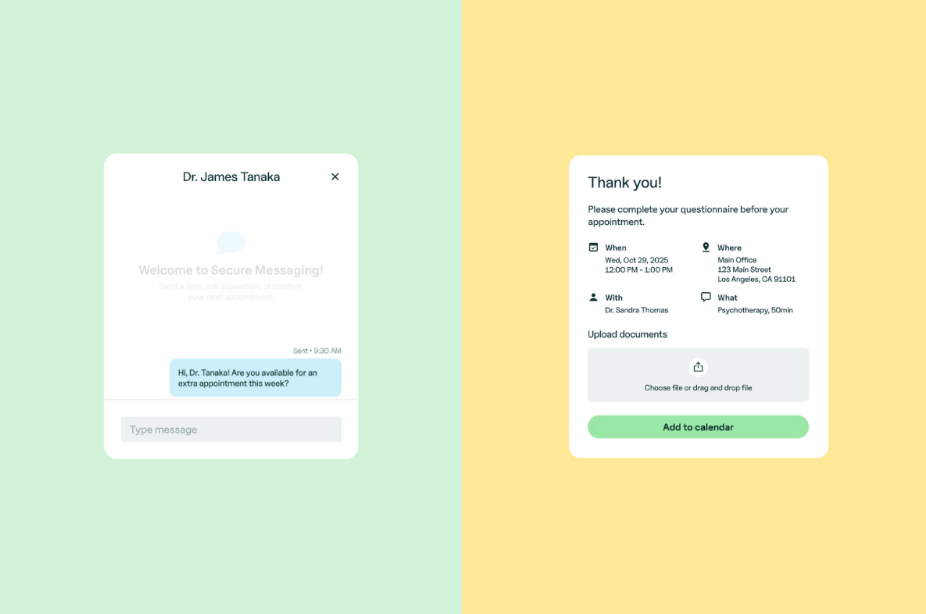
Inside SimplePractice, you can leave a pinned note or away message that appears right in your client portal.
Want to let clients know when you’ll return?
Have a backup contact for emergencies?
Need to remind them you won’t be responding to messages during this time?
It’s all right there. You’re showing clients that you’ve planned ahead for them, even while prioritizing your own well-being. That builds trust.
Paperless Systems
Taking time off doesn’t mean putting your entire practice on pause.
With SimplePractice’s automated intake flow, if a new client reaches out while you’re gone, they can still:
Read about your services
Request a session for after your return
Fill out intake paperwork
Receive confirmation and next steps
Get the sense that your practice is organized and safe
They’re welcomed into your practice without ever waiting on an email from you. And when you do return, you’ve got a new client already onboarded and ready to go. It’s a gift to your future self and to the clients you haven’t met yet.
What to Do the Week You Return
Don’t stack your Monday with 6 back-to-back sessions.
Give yourself margin. Ease in.
Block time to review emails, portal messages, or billing notes
Start with familiar clients or low-stress sessions
Give yourself grace—it’s normal to feel a little “off” after a break
Pro tip: Consider building in a day of admin-only time before you see clients again. You’ll thank yourself.
You’re Allowed to Step Away
You are not a robot. You are a human being doing deeply emotional work. And rest isn’t just allowed; it’s necessary.
Taking time off:
Models healthy boundaries for your clients
Preserves your energy and effectiveness
Helps you come back clearer, calmer, and more grounded
And no, it doesn’t mean you don’t care. It means you care enough to take care of the therapist your clients rely on.
So this is your permission slip.
Plan the trip. Block the calendar. Set the auto-reply. Your practice will be just fine because you are building it with intention.
You’ve got this. And I’m right here with you. 💛
P.S.
If you're ready to make unplugging feel doable, not stressful,check out SimplePractice here. Their tools have made it so much easier for me and so many therapists I support to actually take a break.
Let your systems support your practice, so you can support yourself.
Frequently Asked Questions
How much time off should therapists take from private practice?
There is no single amount that works for every therapist. Many private practice owners plan several short breaks throughout the year and at least one longer vacation. The goal is to schedule enough rest to protect your energy, clinical presence, and overall well-being.
How far in advance should therapists tell clients about a vacation?
Therapists should usually notify clients three to four weeks before taking time off. Clients who need additional support, schedule adjustments, or referrals may benefit from even more notice.
What should therapists tell clients before going on vacation?
Clearly share your dates away, your return date, whether you will respond to messages, how appointments will be handled, and what clients should do if they need urgent support while you are unavailable.
Do therapists need to provide coverage while they are away?
Not every client needs temporary clinical coverage. However, therapists should assess individual client needs and provide appropriate crisis resources, emergency contacts, or professional referrals when necessary.
How can therapists prepare clients for time away?
Discuss the break in advance, review coping strategies, confirm upcoming appointments, and create a clear plan for the therapist’s absence. Clients should know what support is available and when regular sessions will resume.
Should therapists answer client messages while on vacation?
Therapists should follow the communication boundaries they established before leaving. If you tell clients that you will be unavailable, avoid checking and responding to routine messages unless there is a specific professional reason to do so.
How can therapists take time off without losing income?
Plan for time off as part of your annual business budget. Therapists can build vacation weeks into their fee calculations, maintain a financial buffer, and schedule sessions strategically before and after the break without overloading their calendars.
How can private practice systems make vacations easier?
Automated reminders, scheduling tools, billing workflows, intake forms, client portals, and away messages allow routine administrative tasks to continue while the therapist is unavailable.
Should therapists accept new client inquiries while on vacation?
New clients can still submit inquiries or complete intake steps if automated systems are in place. Make sure confirmation messages clearly explain when you will return and when the prospective client can expect a personal response.
What should a therapist include in an out-of-office message?
Include your absence dates, expected response time, return date, emergency guidance, and any relevant backup contact information. Keep the message clear and avoid implying that email or portal messages are monitored continuously.
How should therapists block vacation time in their calendars?
Block the full period before clients can book appointments. Include travel time, preparation time, and at least one transition day when possible so the vacation does not begin or end with a packed schedule.
What should therapists do during the week they return?
Leave time for emails, billing, portal messages, documentation, and schedule review. Avoid filling the first day back with consecutive sessions. An administration day before returning to clinical work can make the transition smoother.
Is it unprofessional for a therapist to take a vacation?
No. Taking planned time off is a normal part of maintaining a sustainable professional practice. Clear communication and appropriate preparation matter more than being constantly available.
Can taking time off improve a therapist’s work?
Rest can help therapists return with greater focus, patience, emotional capacity, and presence. Regular breaks may also reduce resentment, exhaustion, and the risk of burnout.
How can therapists manage guilt about taking time off?
Remind yourself that rest supports the quality and longevity of your work. Taking time away does not mean abandoning clients. It means maintaining the personal and professional capacity needed to continue serving them well.
What happens if a client has a crisis while the therapist is away?
Clients should receive clear instructions before the therapist leaves. Depending on the situation, this may include contacting emergency services, using a crisis line, reaching a designated professional, or following an established safety plan.
What is the best way to start planning time off from private practice?
Choose the dates first, block the calendar, review client needs, prepare your communication, and test your practice systems. Planning early makes it easier to protect the break instead of gradually giving it away.