
What I Wish I Knew Before Leaving Community Mental Health
Leaving community mental health for private practice can feel like stepping into freedom. More flexibility. Better pay. Control over your schedule. On paper, it looks like the dream. But here is the part nobody really prepares you for. The transition is not as seamless as you expect, and the learning curve can hit hard if you are not ready for it.
When I made the move from community mental health into private practice, I carried assumptions that cost me time, money, and confidence. I loved my work in partial hospitalization programs and intensive outpatient programs, especially serving adults with severe and persistent mental illness. But loving the work did not automatically mean I knew how to run a private practice or communicate with private-pay therapy clients.
If you are a therapist thinking about leaving community mental health, or you are already in private practice, wondering why things feel harder than expected, this is for you. These are the mistakes I made, so you do not have to.
Mistake #1: Assuming the Transition Would Be Easy
One of the biggest misconceptions therapists have when leaving community mental health is believing that private practice is simply the same work with fewer clients and more money. That assumption alone can set you up for frustration.
In community mental health settings, the infrastructure is already built for you. Clients are scheduled by admin teams. Policies are established. Intake paperwork is standardized. You step into a role where your primary responsibility is clinical work. In private practice, you are not just the therapist. You are the scheduler, the administrator, the billing department, and the business owner.
The emotional shift is just as significant as the logistical one. In community mental health, many clients are mandated to attend therapy or are deeply familiar with the mental health system. In private practice, clients are actively choosing you. That changes the dynamic entirely. They are evaluating you, your communication style, your confidence, and your professionalism from the very first interaction.
If you do not intentionally prepare for this shift, private practice can feel overwhelming instead of empowering. Understanding early on that building a successful private practice requires new skills, especially around communication, boundaries, and business management, can save you a lot of unnecessary stress.
Mistake #2: Communicating With Private Practice Clients the Same Way as Community Mental Health Clients
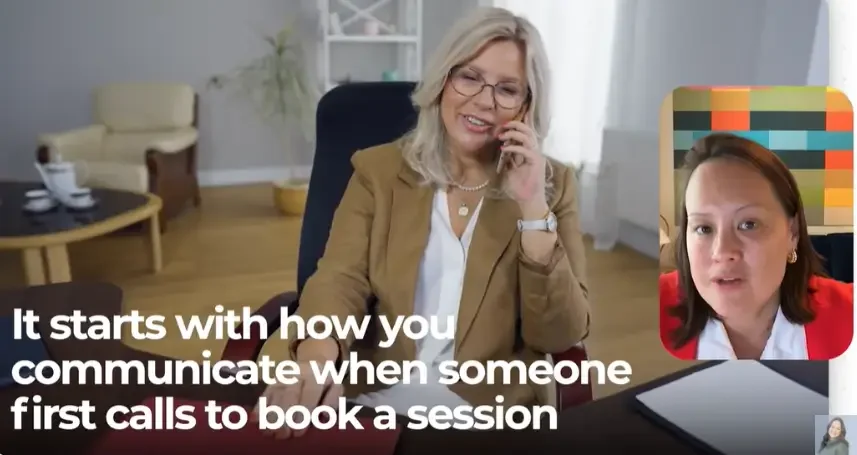
This mistake surprised me the most. I did not realize how much my communication style needed to change until I was already in private practice.
In community mental health, many clients have been in treatment before. They know the routine. They expect paperwork, assessments, and structured sessions. There is often a shared understanding of how therapy works. Because of that, communication can feel more casual and streamlined.
Private practice is different. Many clients are starting therapy for the very first time. They do not know what intake looks like, how sessions work, or what is expected of them. That means it is your responsibility to establish the therapeutic frame from the very beginning, often before you ever meet them in session.
In private practice, the therapeutic relationship starts the moment you answer the phone or respond to an inquiry. Your tone, clarity, and professionalism matter more than you think. Clients are not just calling for therapy. They are assessing whether they feel safe, understood, and respected.
One of the most powerful shifts I made was being intentional during initial consultations. Instead of assuming a client would automatically choose me, I began emphasizing fit. Saying things like, “It is really important that you find the right therapist for you, and my job is to help you do that, even if it is not me,” creates trust and reduces pressure. This approach is essential for therapists building a private practice that feels aligned and sustainable.
Mistake #3: Not Knowing How to Confidently State My Fee
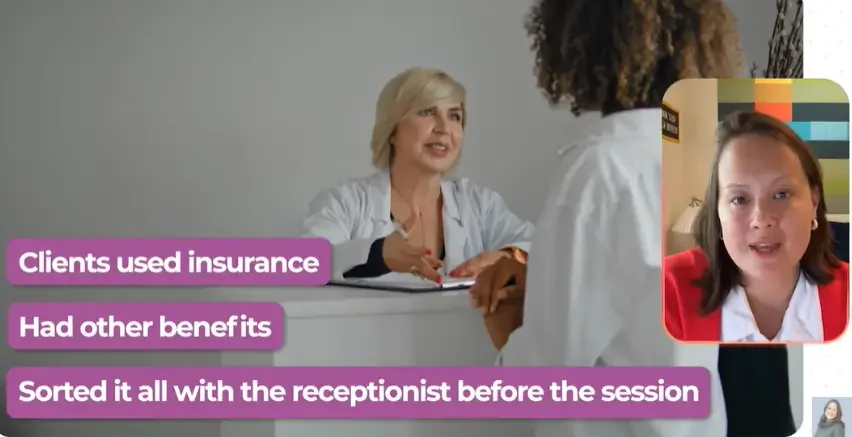
If you have spent years working in community mental health, you probably never had to talk about money. Insurance, grants, or benefits handled that conversation long before clients ever sat in your office. Private practice changes that instantly.
When I first started, I completely overexplained my fee. I justified it. I apologized for it. I offered sliding scales that were not necessary. I assumed discomfort before the client even expressed it. All of that came from my own insecurity, not from the client’s reaction.
Here is the truth. Clients in private practice expect you to have a fee, and they expect you to state it clearly. Confidence does not mean being rigid or uncaring. It means being calm, direct, and grounded. Saying, “My fee is $250 per session. If you have any questions, let me know, and I will send over the intake paperwork,” and then pausing is incredibly powerful.
That pause matters. Many therapists rush to fill silence because they assume the client is uncomfortable. Often, the client is simply processing. Learning how to confidently state your private practice therapy fees is a critical skill for long-term sustainability and therapist burnout prevention.
Mistake #4: Not Having Clear Policies and Boundaries

In community mental health, policies are built into the system. No-show rules, cancellation windows, payment limits, all of it already exists. When you move into private practice, those boundaries disappear unless you intentionally create them.
Early on, I assumed clients understood things like a 24-hour cancellation policy. They did not. I had vague or borrowed paperwork that did not reflect my actual boundaries. The result was missed sessions, unpaid balances, and resentment I did not know how to process.
In private practice, everything needs a policy. Fees. Late cancellations. No-shows. Email communication. Social media interactions. What happens if a client sees you on a dating app. These are not overreactions. They are necessary boundaries that protect both you and your clients.
Clear policies are not about being harsh. They are about creating safety and predictability. When clients know what to expect, the therapeutic relationship becomes stronger. Taking the time to thoughtfully design your intake paperwork and policies is one of the most important steps in building a healthy private practice.
Mistake #5: Underestimating How Lonely Private Practice Can Be
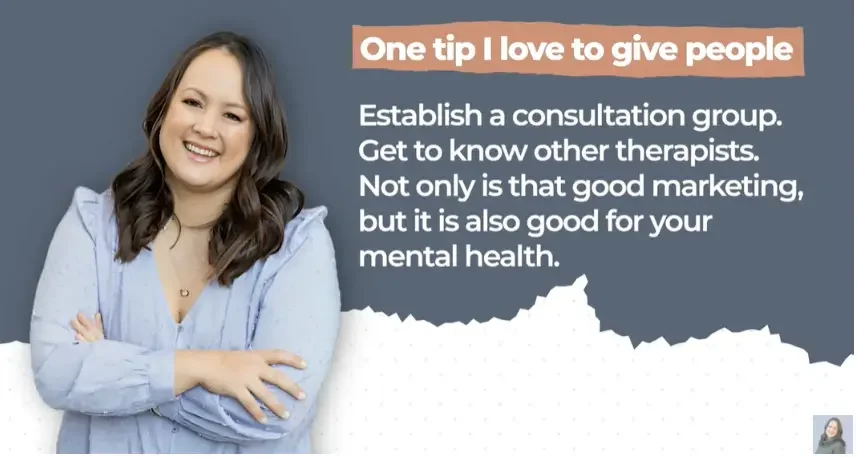
This was the mistake I did not see coming. I assumed that seeing clients all day would eliminate any sense of loneliness. It did not.
In community mental health, you are part of a treatment team. You attend meetings, collaborate on cases, celebrate birthdays, and debrief after hard days. Private practice removes that structure almost overnight. Sitting with clients is meaningful, but it is not the same as peer connection.
Isolation is a real issue for therapists in private practice, and ignoring it can quietly lead to burnout. One of the most effective ways to counter this is by building or joining a consultation group. Connecting with other therapists provides clinical support, emotional grounding, and even organic marketing opportunities.
Community does not happen automatically in private practice. You have to intentionally create it. Prioritizing professional relationships is just as important as filling your caseload.
Making the Jump With Intention
Leaving community mental health for private practice is not a failure or a betrayal of your values. It is an evolution. But it is an evolution that requires preparation, self-awareness, and a willingness to learn new skills.
If you are considering this transition, know that the challenges do not mean you are doing it wrong. They mean you are building something new. With clearer communication, confident fee-setting, strong boundaries, and intentional connection, private practice can become not just sustainable, but deeply fulfilling.
You do not have to make every mistake yourself to learn from them. Let these lessons shorten your learning curve and help you build a private practice that truly supports both you and your clients.
If you’re ready to take the leap and want step-by-step guidance to start your private practice confidently, join my Private Practice Roadmap.
FAQs
1. What are the biggest mistakes therapists make leaving community mental health?
Common mistakes include assuming private practice works the same way, not setting fees confidently, lacking clear policies, and underestimating isolation.
2. How do I prepare for starting a private therapy practice?
Prepare by creating clear policies, practicing fee communication, networking with other therapists, and learning the business side of practice.
3. How should I handle client fees in private practice?
State your fees clearly and confidently, pause to allow clients to process, and avoid overexplaining or apologizing.
4. How can I avoid feeling lonely in private practice?
Join consultation groups, network with colleagues, attend professional workshops, or schedule regular supervision sessions.
5. Do I need business skills to run a private practice?
Yes. Beyond clinical expertise, you need knowledge of contracts, billing, insurance, HIPAA, and business management to run a successful private practice.